
When planning a website, it's easy to get caught up in colors, photographs and visual effects.
But customers usually have much simpler expectations.
They want to understand what you offer, where to find you and how to get in touch.
Here are five things we'd prioritize for a local business.
1. A clear explanation of your business
Visitors should understand what you do within seconds.
Avoid vague slogans that could describe almost any company.
If you're an electrician, explain your services and where you work.
If you run a restaurant, introduce the food and make practical details easy to find.
Clarity matters more than clever wording.
2. Essential information
For many businesses, customers are looking for opening hours, location, services, prices and contact details.
These shouldn't be hidden across several pages.
Organize the website around what people are most likely to need.
3. Authentic photographs
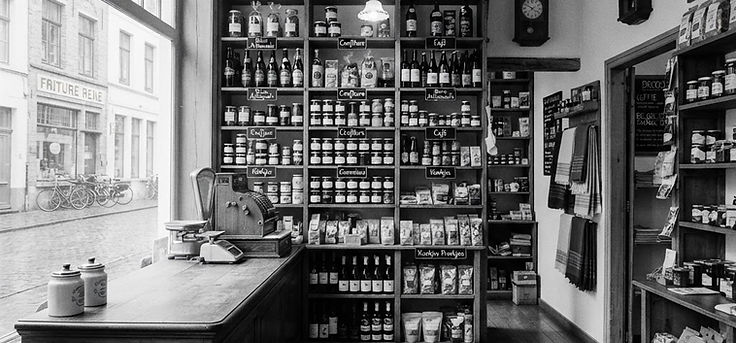
Real photographs of your shop, team, products or previous work help visitors understand your business.
A photograph of an actual workshop often feels more credible than generic imagery.
Choose images that give people a useful impression of what to expect.
4. An obvious way to get in touch
What should visitors do after exploring your website?
Call you? Book an appointment? Request a quote? Visit your shop?
Make the next step clear.
Sometimes a visible telephone number is more useful than a complicated contact form.
5. A website that works well on phones
Customers may visit your website while travelling, shopping or comparing nearby businesses.
They should be able to read the information, use the buttons and contact you comfortably on a small screen.
How many pages do you need?
Perhaps only one.
A well-organized single-page website can be enough for a straightforward business.
More complex services may benefit from separate pages.
Start by understanding what your customers need, not by deciding how many pages you want.
Written by
peexa — Independent digital studioNext step
Explore our packages